
At a Glance
- Different food reactions can look similar from the outside, but they don't all have the same cause or the same fix.
- Repeated food-triggered symptoms can keep digestion on edge, but the food itself may not be the only problem.
- A short, structured elimination plan can lower symptom load and reveal patterns when it's paired with a clear reintroduction strategy.
- Restriction can miss the root cause when digestion, stress, microbes, hormones, metabolism, or immune activity are driving the pattern.
In This Guide
Food sensitivity isn't one single thing
Different food reactions can look similar from the outside, but they don't all have the same cause or the same fix.
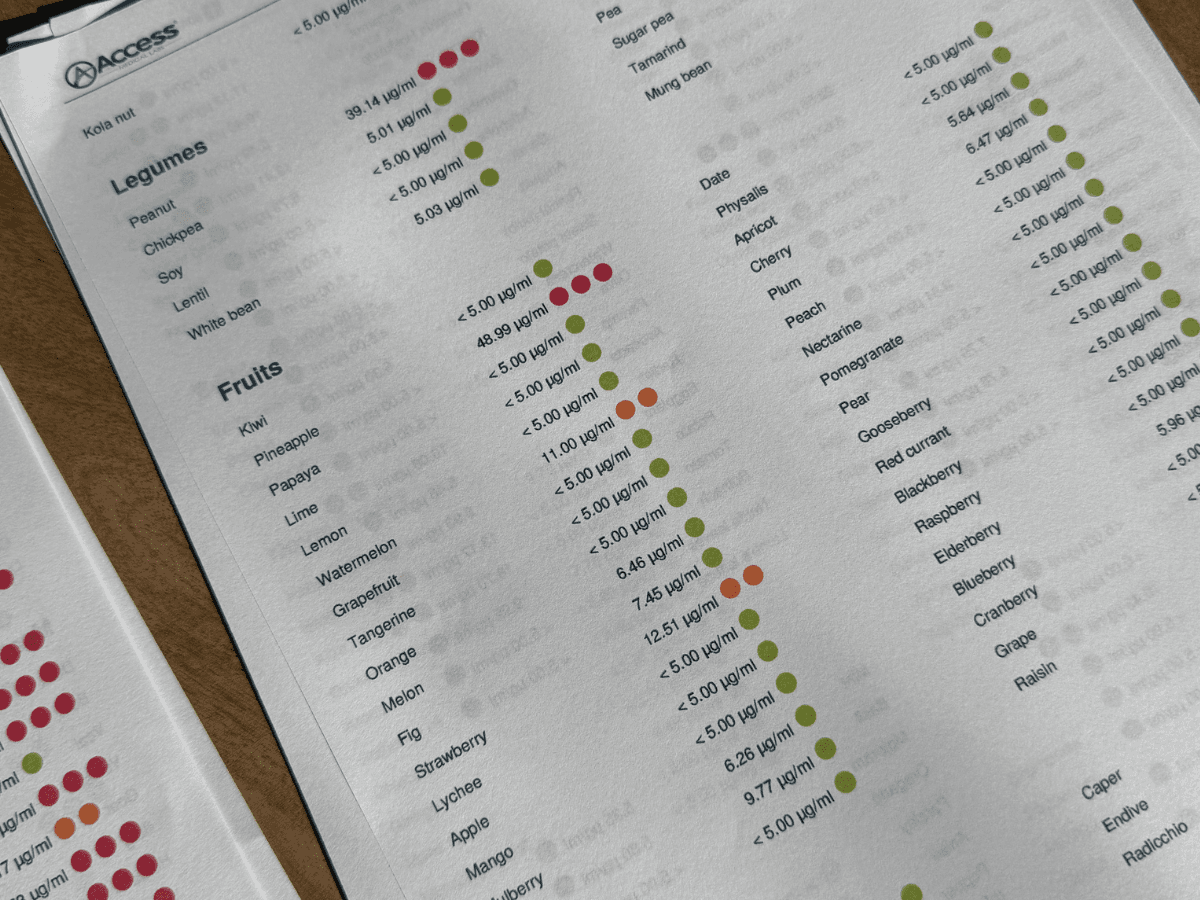
When someone says they're sensitive to food, they might mean bloating after onions, reflux after a heavy meal, diarrhea after dairy, fatigue after gluten, a headache after wine, or a full-body flare that feels inflammatory. Those experiences deserve attention, but they don't all point to the same mechanism.
A true food allergy involves the immune system and can be dangerous. The American Academy of Allergy, Asthma & Immunology explains that food allergy and food intolerance are different problems, even though the symptoms can overlap. Intolerances may involve enzyme issues, carbohydrate fermentation, histamine load, motility, stress chemistry, or plain old gut irritation.
That's why Gen 3 treats food reactions as clues, not a final diagnosis. If digestive symptoms are your main pattern, our Gut Health Optimization care path looks at tolerance, symptom timing, nutrition patterns, and the bigger gut-brain-immune picture instead of handing you a forever list of foods to avoid.
How food reactions can keep the gut irritated
Repeated food-triggered symptoms can keep digestion on edge, but the food itself may not be the only problem.
The gut isn't just a tube. It's an immune interface, a microbial ecosystem, a digestive organ, and a communication hub with the nervous system. When meals keep triggering bloating, pain, urgency, constipation, reflux, skin flares, or fatigue, the body can start to associate eating with threat.
The gut microbiome matters here. Research summarized in Nutrients describes how diet composition can shift microbial activity and metabolite production. In plain language, what you eat can change the gut environment, and that gut environment can influence how well you handle food.
This is one reason symptoms can snowball. Someone removes fiber-rich foods because they bloat, and then microbial diversity or bowel regularity may worsen. More foods start feeling difficult, anxiety around meals climbs, and digestion gets even more reactive. The first trigger may have been real, but the long-term pattern becomes bigger than one ingredient.
- Low stomach acid or enzyme output can make meals feel heavy, slow, and harder to finish.
- Constipation can increase bloating because fermentation and transit time are tied together.
- High stress can change motility, pain sensitivity, and appetite patterns, even when the food didn't change.
- A low-variety diet can reduce nutrients and fermentable fibers that beneficial microbes use.
- Hormone and metabolic shifts can change inflammation, fluid balance, cravings, and bowel rhythm.
That overlap is why our article on the hormone, metabolism, and gut connection is often a helpful next read for people whose symptoms don't stay neatly in the digestive lane.
Why elimination diets sometimes help
A short, structured elimination plan can lower symptom load and reveal patterns when it's paired with a clear reintroduction strategy.
Elimination diets are popular because they can work for the right person at the right time. If a food group is clearly driving symptoms, removing it temporarily may lower irritation enough to see the pattern. For IBS-type symptoms, low-FODMAP approaches can help some people identify fermentable carbohydrate triggers.
Cleveland Clinic describes the low-FODMAP diet as a temporary elimination and reintroduction process, not a forever diet. That matters because restriction isn't the win. The win is learning which foods, portions, and combinations your gut handles well.
| Elimination can help when | Elimination gets shaky when |
|---|---|
| There's a clear symptom pattern after specific foods. | Symptoms happen with nearly everything, including very simple meals. |
| The plan is short, structured, and supervised when needed. | Foods keep getting removed for months, but nothing gets reintroduced. |
| The goal is to build a personalized diet with more confidence. | The goal quietly becomes eating as little variety as possible. |
Why elimination diets don't always work
Restriction can miss the root cause when digestion, stress, microbes, hormones, metabolism, or immune activity are driving the pattern.
Elimination diets can fail for a simple reason: food may be the messenger, not the whole message. If your gut is inflamed, constipated, under-slept, under-fueled, stressed, or metabolically strained, lots of foods can feel like triggers because the system has less margin.
They can also fail because the plan is too broad. Removing gluten, dairy, eggs, soy, corn, nuts, nightshades, coffee, alcohol, FODMAPs, and histamines all at once may reduce symptoms, but it also removes data. If you feel better, you may not know why. If you feel worse, you may not know whether the problem is nutrient intake, fiber loss, stress, under-eating, or the original trigger.
Food fear is another real issue. Once the safe list gets small, people often eat the same few foods every day. That can lower protein, micronutrients, polyphenols, and fiber diversity, and over time the gut may become less resilient instead of more tolerant.
- No reintroduction plan, so the diet becomes permanent by accident.
- No symptom timeline, so delayed reactions and stress effects get mixed together.
- No attention to constipation, motility, reflux, or meal timing.
- No lab or clinical context when fatigue, inflammation, or weight changes are also present.
- No support for rebuilding tolerance once symptoms calm down.
If your symptoms keep expanding despite all that discipline, it may be time to step back and look at the whole pattern through Functional Medicine rather than tightening the diet again.
A better strategy: calm, test, rebuild
The long-term goal is better tolerance, not a perfect elimination scorecard.
A root-cause gut plan usually works in a sequence. First, calm the obvious irritants and stabilize the basics: meal rhythm, protein, hydration, sleep, bowel regularity, and stress load. Then you can evaluate the pattern and rebuild food variety in a deliberate way.
This is where personalized care helps. Someone with reflux and slow digestion may need a different plan than someone with IBS-D, histamine-type symptoms, autoimmune complexity, or post-antibiotic changes. The same food journal can point to very different next steps depending on the person.
For people who feel stuck, Gen 3 may pair a gut-focused intake with the Health Optimization Panel so symptoms are interpreted alongside relevant lab patterns. That doesn't mean every symptom needs a specialty test. It means the plan should be grounded in more than a hunch.
Food sensitivity care should make your life bigger, not smaller
If an elimination diet helped you, that information is useful. If it didn't help, that's useful too. Either way, the next step isn't shame or more guessing. It's a clearer map of digestion, immune tone, stress, metabolism, and food tolerance.
At Gen 3, gut health care is designed to move you toward confidence: fewer flare cycles, better pattern recognition, and a more sustainable way to eat without feeling trapped by food.
Care Links
- Gut Health Optimization
Best fit for recurring bloating, reflux, irregular digestion, and food sensitivity patterns that keep disrupting meals.
- Functional Medicine Program
A broader care path when gut symptoms overlap with fatigue, inflammation, hormones, or autoimmune complexity.
- Health Optimization Panel
A lab-informed starting point when symptoms are vague or multi-system.
- Hormone-Metabolism-Gut Connection
Related guide on why digestive symptoms often overlap with energy, weight, mood, and recovery.
Further Reading
- Johns Hopkins Medicine: The Brain-Gut Connection
Helpful overview of how the gut and nervous system communicate.
- American College of Gastroenterology: Reintroducing FODMAP Foods
Clinical discussion of reintroduction after a restrictive low-FODMAP phase.
Sources Used
- AAAAI: Food Intolerance
Clarifies the distinction between food allergy and food intolerance.
- Cleveland Clinic: Low-FODMAP Diet
Explains low-FODMAP elimination, reintroduction, and personalization.
- Nutrients: Influence of Foods and Nutrition on the Gut Microbiome
Review of diet, gut microbiome changes, and health-related metabolites.
- NIDDK: Irritable Bowel Syndrome
Background on IBS symptoms, diagnosis, and treatment considerations.
This article is educational and shouldn’t replace individualized medical advice, diagnosis, or treatment. Seek urgent care for severe or rapidly worsening symptoms.