
They start with the story
The team wants to know when symptoms started, what changed, what you’ve tried, and what your normal used to feel like.
About Gen 3
Gen 3 helps men and women make sense of symptoms that have been brushed off, oversimplified, or treated one piece at a time. The goal is not to replace your primary care doctor. It is to give you a deeper, more personalized place to start.


Built for real life
The team looks at symptoms, labs, history, goals, habits, and what has already been tried so the next step makes sense in your actual day-to-day life.
Why patients come here
They still feel exhausted, inflamed, foggy, stuck, anxious, bloated, under-recovered, or disconnected from their body. Gen 3 gives them a place where those symptoms are taken seriously and put into context.
How the team helps
Gen 3 is led by women who built the clinic around a simple idea: patients deserve time, context, and a plan that fits their body. That means listening first, testing when it helps, and explaining the why behind each recommendation.
The team wants to know when symptoms started, what changed, what you’ve tried, and what your normal used to feel like.
Instead of looking at one number in isolation, Gen 3 looks for patterns across hormones, metabolism, gut health, nutrients, inflammation, recovery, and stress.
Patients leave with priorities, next steps, and a clearer reason behind the recommendations instead of a vague list of things to try.
How it’s different
Primary care is important for annual exams, screenings, acute illness, medication management, referrals, and urgent concerns. Gen 3 is different because it focuses on the gray area: the place where you’re not in crisis, but you also don’t feel well.
Routine care often
Often built around short visits, one main complaint, and ruling out urgent disease.
Gen 3 focuses on
Built around a longer conversation, symptom patterns, goals, history, and lab-informed context.
Routine care often
Labs may be called normal even when you still feel off.
Gen 3 focuses on
Labs are reviewed alongside how you feel, what has changed, and what your body may be signaling.
Routine care often
The next step may be a prescription, referral, or watch-and-wait plan.
Gen 3 focuses on
The next step may include a Health Optimization Panel, focused program, supportive therapy, lifestyle priorities, or referral when appropriate.
Routine care often
Primary care is essential for screenings, acute concerns, medication management, and diagnosis.
Gen 3 focuses on
Gen 3 complements primary care by giving patients more time, deeper wellness context, and support for patterns that don’t fit into a quick visit.
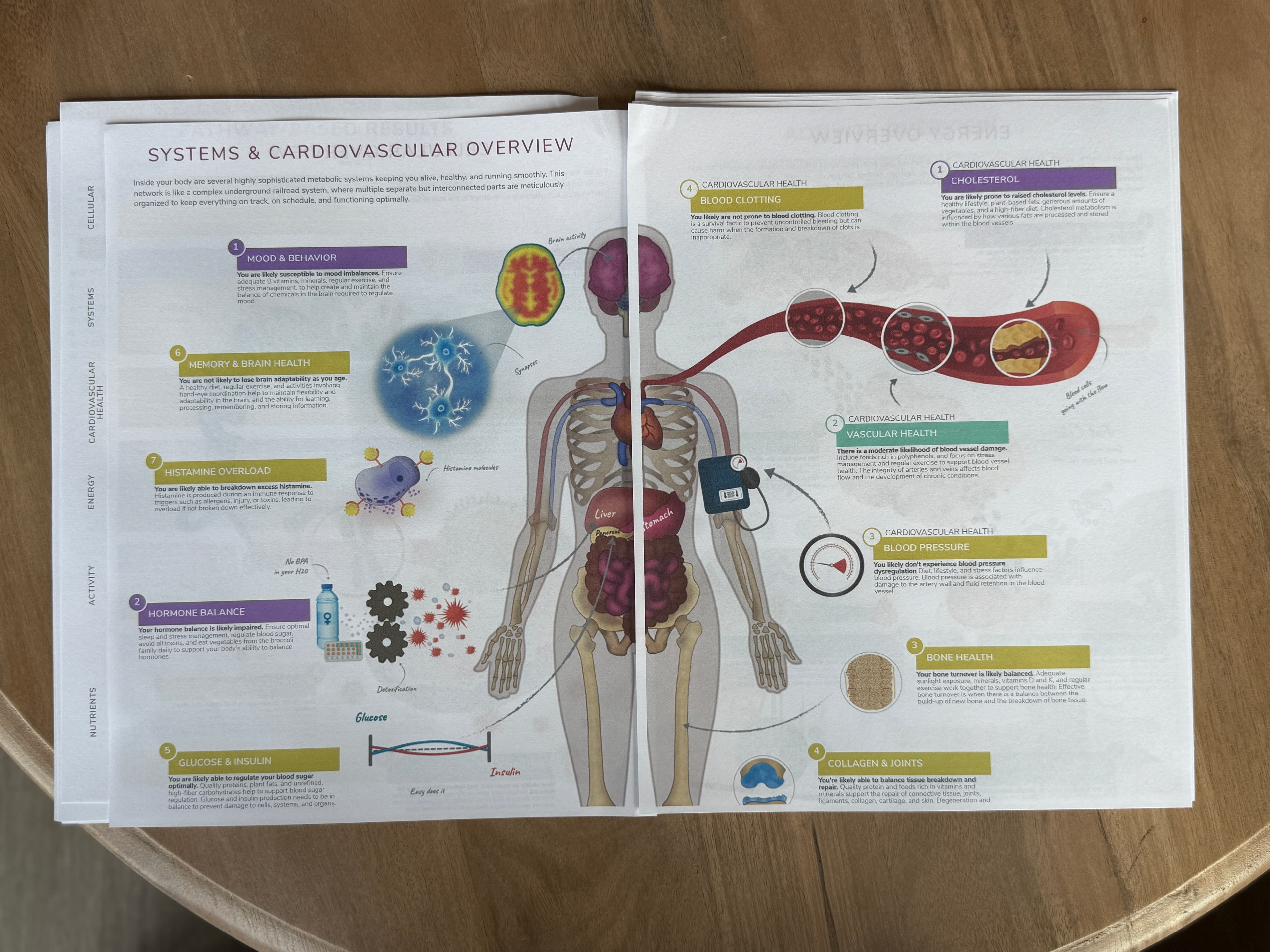
Men and women
The team often helps women sort through fatigue, cycle changes, perimenopause symptoms, mood shifts, low libido, weight resistance, gut issues, and sleep changes that can overlap.
Men often come in for low energy, recovery issues, metabolic changes, poor sleep, libido concerns, inflammation, stubborn weight, or a sense that they don’t feel like themselves.
Gen 3 is for patients who know something is off and want someone to look at the full picture before handing them another generic answer.
What they do
Gen 3 may use the Health Optimization Panel, focused programs, lab review, supportive therapies, and follow-up to help patients understand what to do next and why.
The team
The founders built Gen 3 to feel more human, more curious, and more useful than a quick transaction. The clinical team brings the medical training and functional lens that help patients sort through hormone, gut, metabolic, and broader wellness patterns.

Co-Founder
Jenny is one of the Gen 3 founding sisters and focuses on technology and wellness coaching operations.
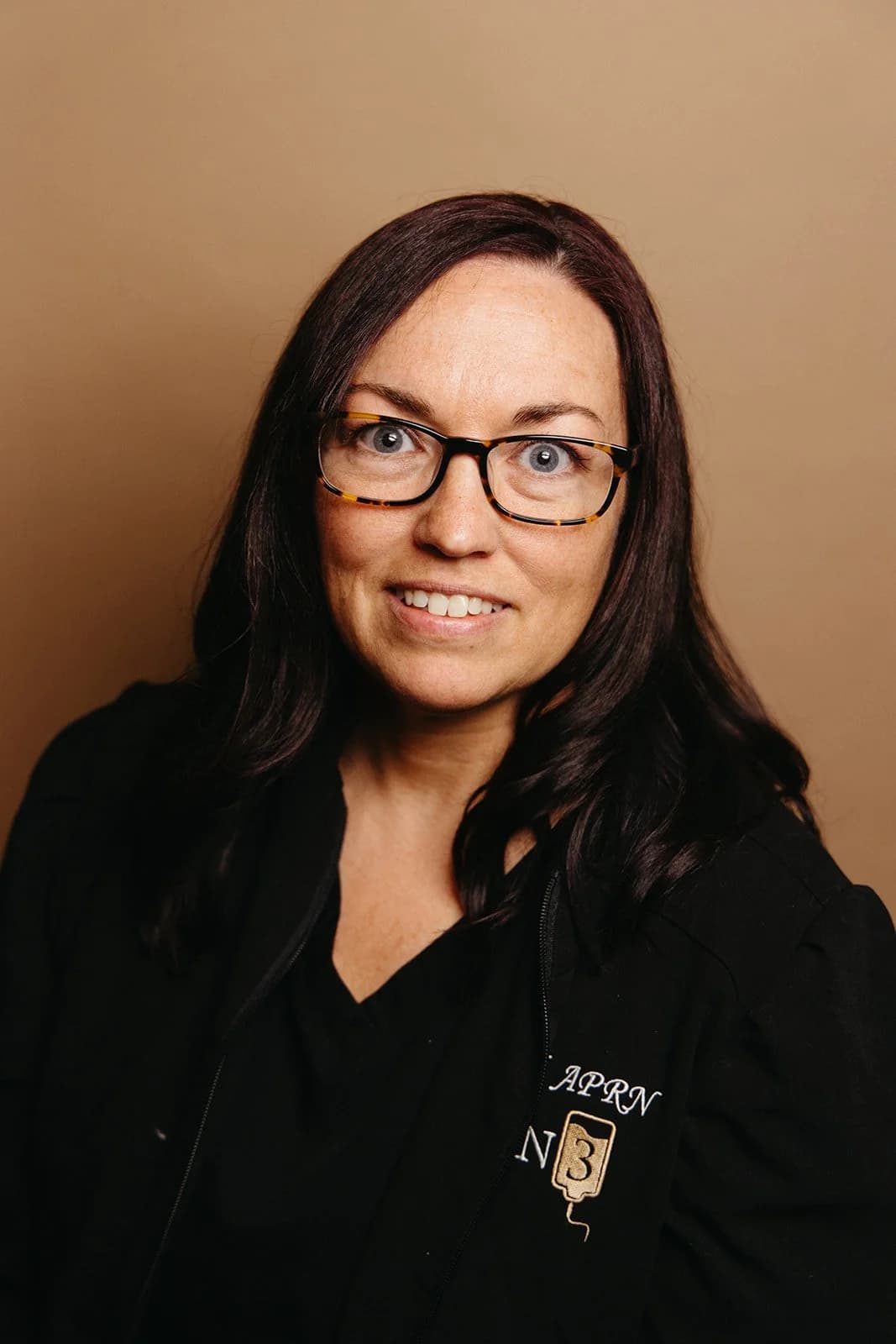
Co-Founder
Rachel is a Gen 3 founding sister and leads legal and structural business functions.

Co-Founder
Samantha is a Gen 3 founding sister focused on marketing, social media, and community-facing events.
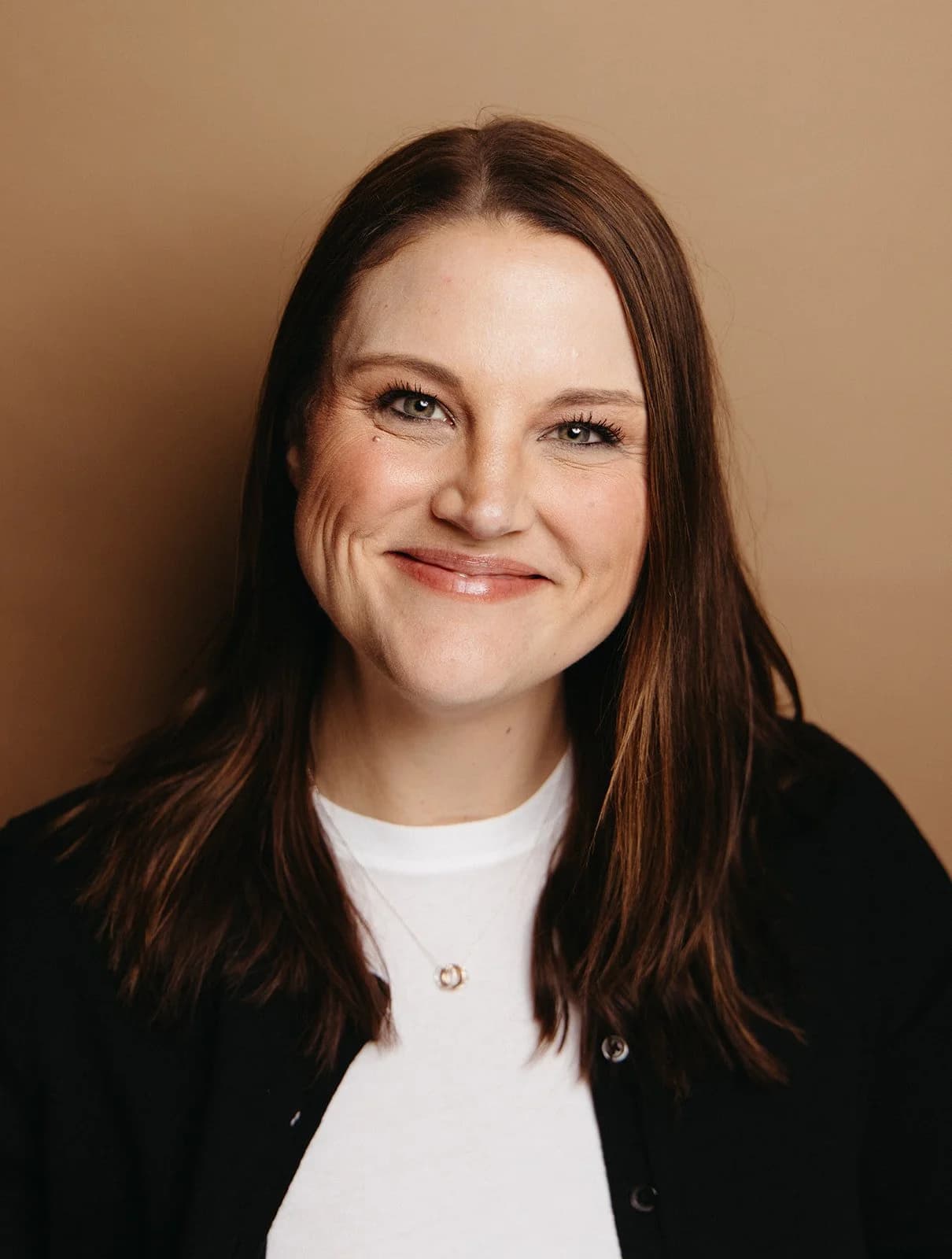
Nurse Practitioner, RN, MSN, FNP-C
Amanda brings 20 years of healthcare experience with a whole-person functional approach to gut, hormone, and root-cause care.

Nurse Practitioner, FNP-C
Hannah is a board-certified family nurse practitioner who partners with patients on preventive, whole-person care aligned with Gen 3's root-cause approach.
What patients can expect
You can expect to be listened to, taken seriously, and guided toward the next step that makes the most sense. Sometimes that means deeper labs. Sometimes it means a program. Sometimes it means supportive therapy or a simpler first move.
The point is not to do more. The point is to stop guessing and choose the right next step.